
Chipped or Cracked Teeth:
Bonding can easily repair minor chips and cracks, restoring the tooth's original shape and preventing further damage.
Are you self-conscious about a chipped tooth, a noticeable gap, or stubborn discoloration? You don’t necessarily need extensive or expensive treatments to achieve a flawless smile. At Bright Whites Dental in Franconia, Alexandria, VA, we offer cosmetic dental bonding—a fast, minimally invasive, and highly effective solution to correct minor dental imperfections and restore your teeth to their natural aesthetic value.
Dental bonding uses a durable, tooth-colored composite resin material that is applied directly to the surface of your tooth. Our skilled dentists then sculpt, shape, and polish the resin to blend seamlessly with your surrounding teeth, giving you a beautiful, uniform smile in just one visit.
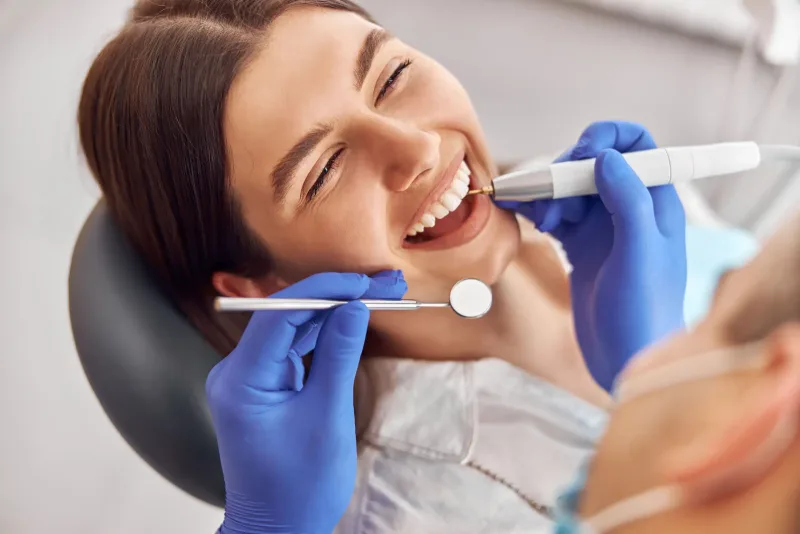
Dental bonding is an incredibly versatile cosmetic and restorative treatment. We frequently recommend bonding to address a variety of common dental issues, including:
Bonding can easily repair minor chips and cracks, restoring the tooth's original shape and preventing further damage.
We can apply bonding material to the sides of teeth to close small, unsightly gaps (diastemas) without the need for orthodontics.
For stubborn stains that do not respond to professional teeth whitening, bonding can cover the discoloration with a bright, natural-looking layer of resin.
If you have receding gums, bonding can be applied to protect the exposed, sensitive root of the tooth.
Metal fillings conduct heat and cold quickly, which can cause discomfort when eating hot or cold foods. Composite resin acts as an insulator, significantly reducing temperature sensitivity.
The same composite resin used for cosmetic bonding is also used to fill small cavities, providing a natural-looking alternative to silver amalgam fillings.
Cosmetic dental bonding offers several unique advantages that make it a popular choice among our patients in Alexandria, VA:
Unlike veneers or crowns, which require multiple visits and a dental laboratory, bonding can usually be completed in a single, short office visit.
Bonding requires little to no removal of your natural tooth enamel. In most cases, anesthesia (numbing) is not even necessary unless the bonding is being used to fill a decayed tooth.
Dental bonding is one of the most affordable cosmetic dental procedures available, making it an excellent option for patients looking for significant improvements on a budget.
The composite resin is carefully color-matched to your exact tooth shade, and the final polish mimics the light-reflecting properties of natural enamel.
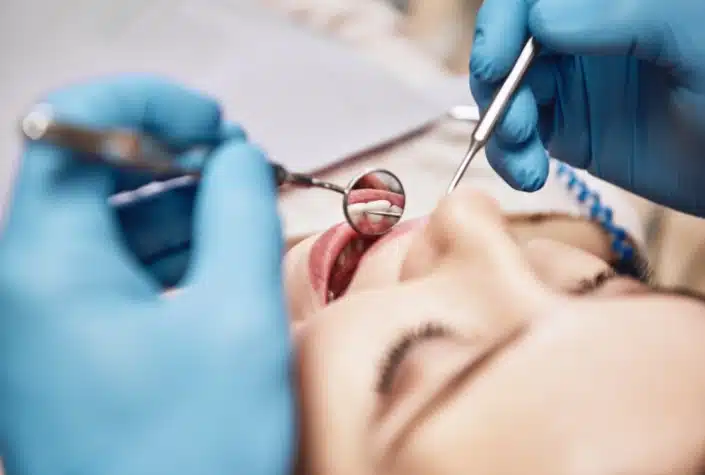
Getting dental bonding at Bright Whites Dental is a simple, painless process that typically takes only 30 to 60 minutes per tooth.
The lifespan of dental bonding depends on your oral habits and the location of the bonded tooth. On average, bonding materials last between 3 to 10 years before needing to be touched up or replaced.
While composite resin is very durable, it is not quite as strong as your natural tooth enamel or porcelain veneers. It can chip or break if you bite down on hard objects like ice, pens, or hard candies.
No special care is required. Simply follow good oral hygiene practices: brush your teeth twice a day, floss daily, and visit Bright Whites Dental for your regular cleanings and check-ups.
Unlike porcelain veneers, the composite resin used in bonding is somewhat porous and can absorb stains over time from coffee, tea, red wine, and tobacco. To keep your bonded teeth looking bright, it is best to minimize your consumption of staining substances and maintain excellent oral hygiene.
No, traditional teeth whitening treatments do not work on composite resin. If you are planning to whiten your teeth, it is highly recommended to do so before getting dental bonding, so the dentist can match the resin to your newly whitened smile.
Bonding uses a composite resin applied directly to the tooth in one visit, making it faster and more affordable. Veneers are thin porcelain shells custom-made in a lab and bonded to the front of the teeth over two visits. Veneers are generally more durable, longer-lasting, and more stain-resistant than bonding, but they require more enamel removal and are more expensive.